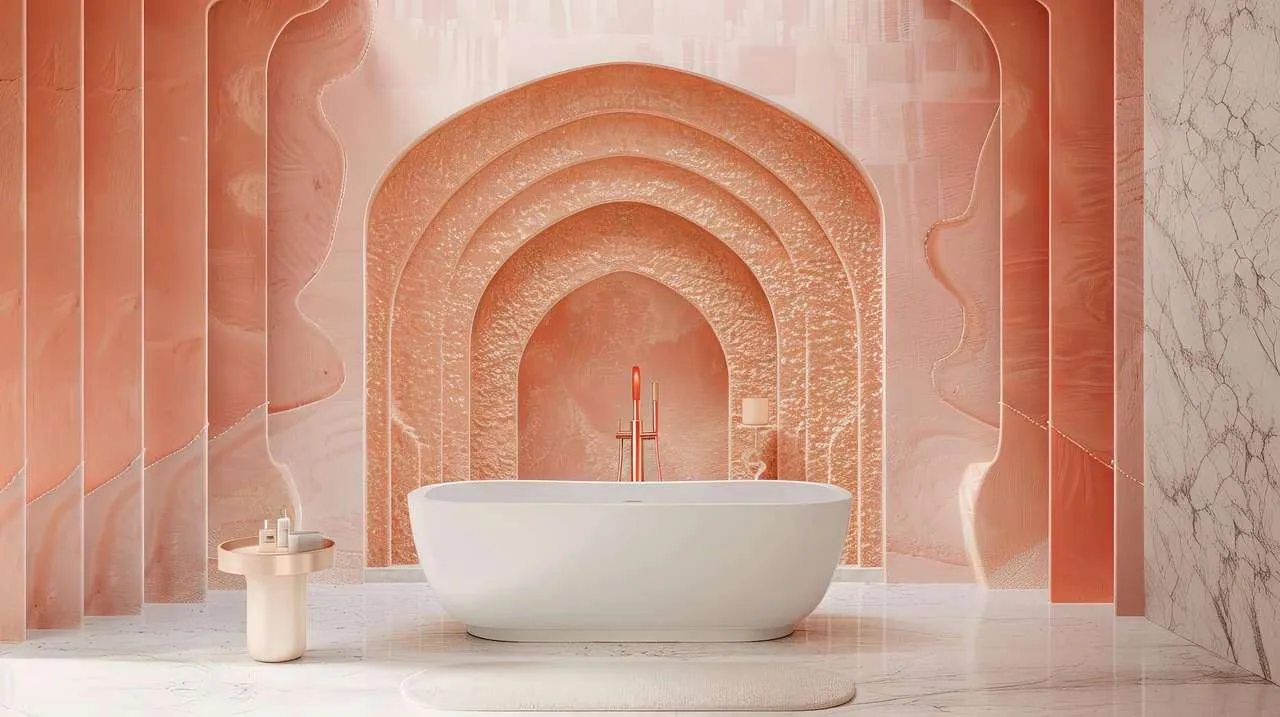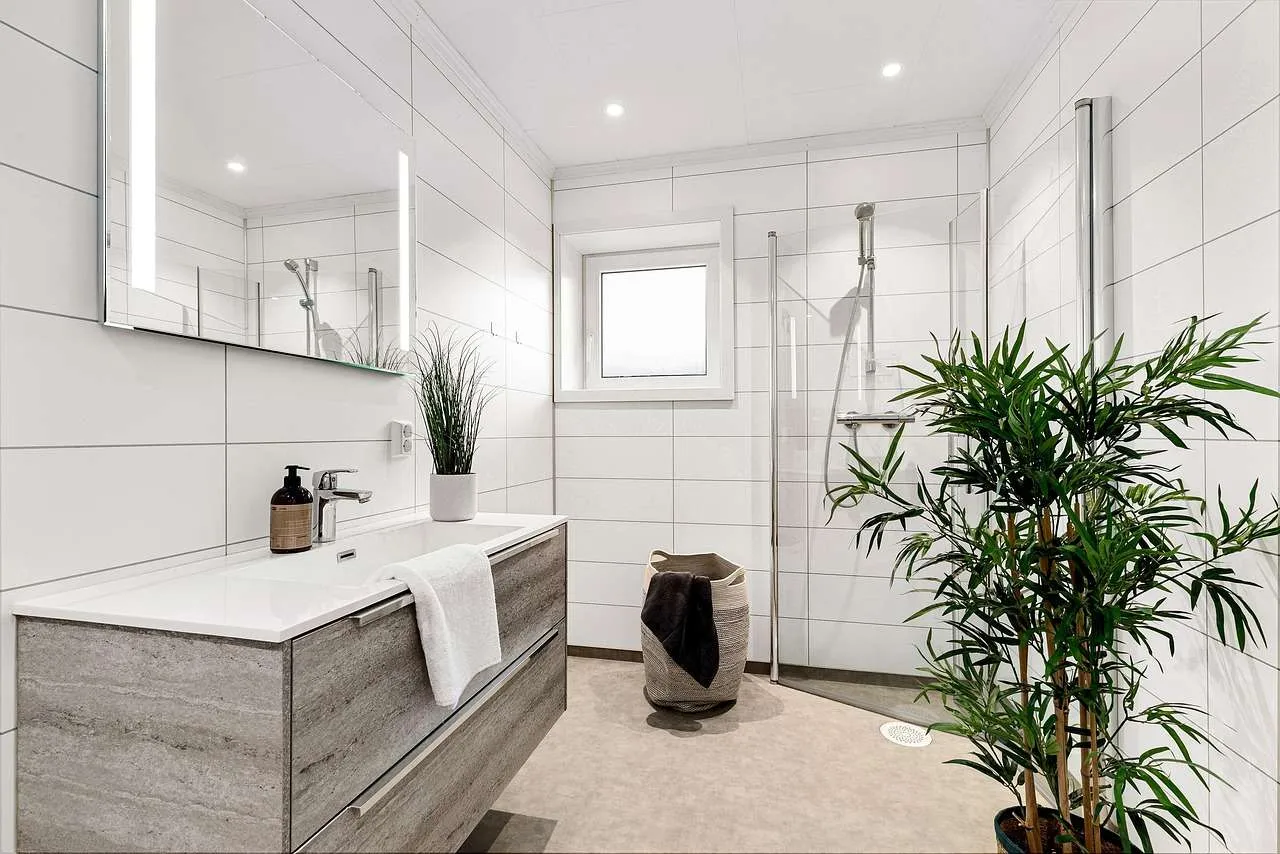
In a small bathroom, every inch counts. As a designer with more than ten years of experience in tight spaces, I know that the smartest solution combines layout, durable materials, and clever storage. This guide on small bathroom ideas covers practical strategies to expand perceived space while maintaining comfort and style—from layout tweaks to finishes that reflect light and reduce clutter.
Smart Layouts for Small Bathrooms
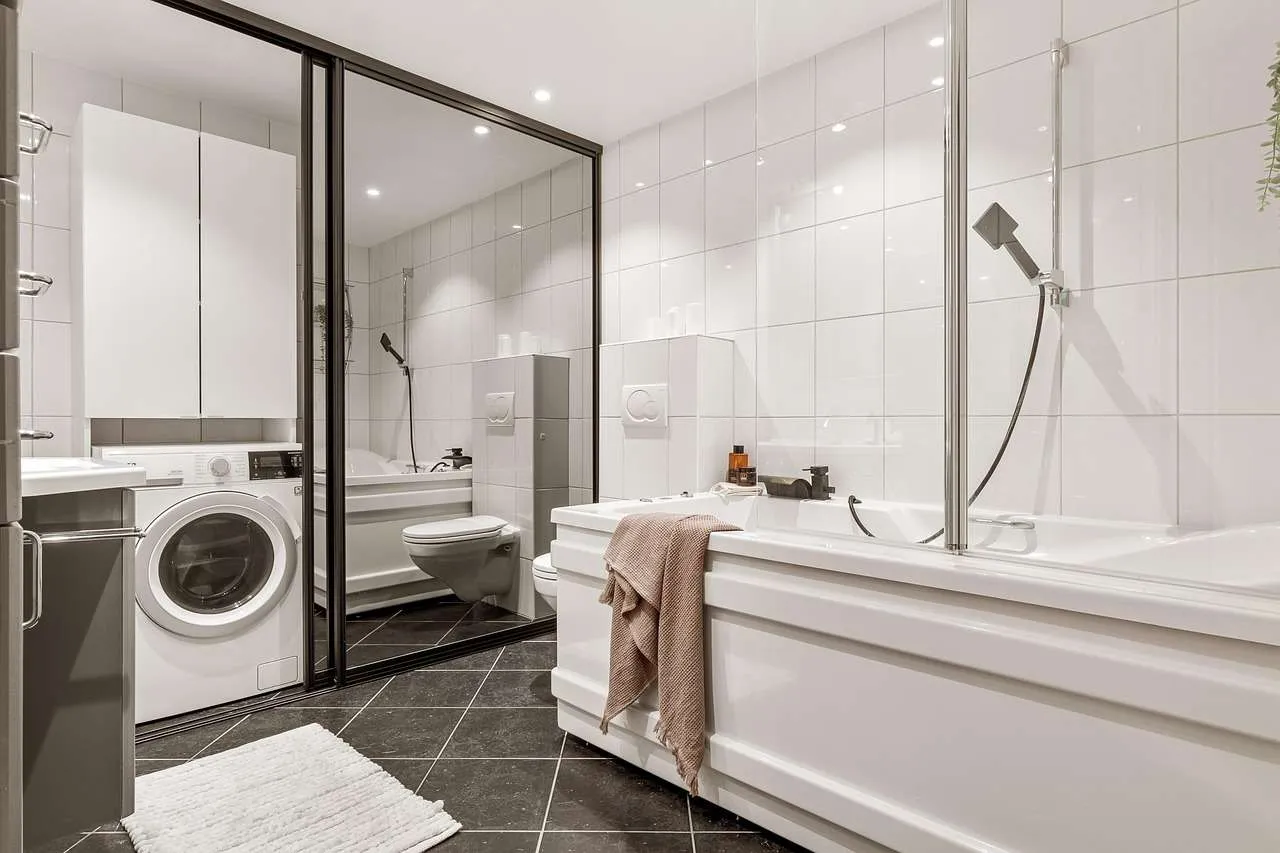
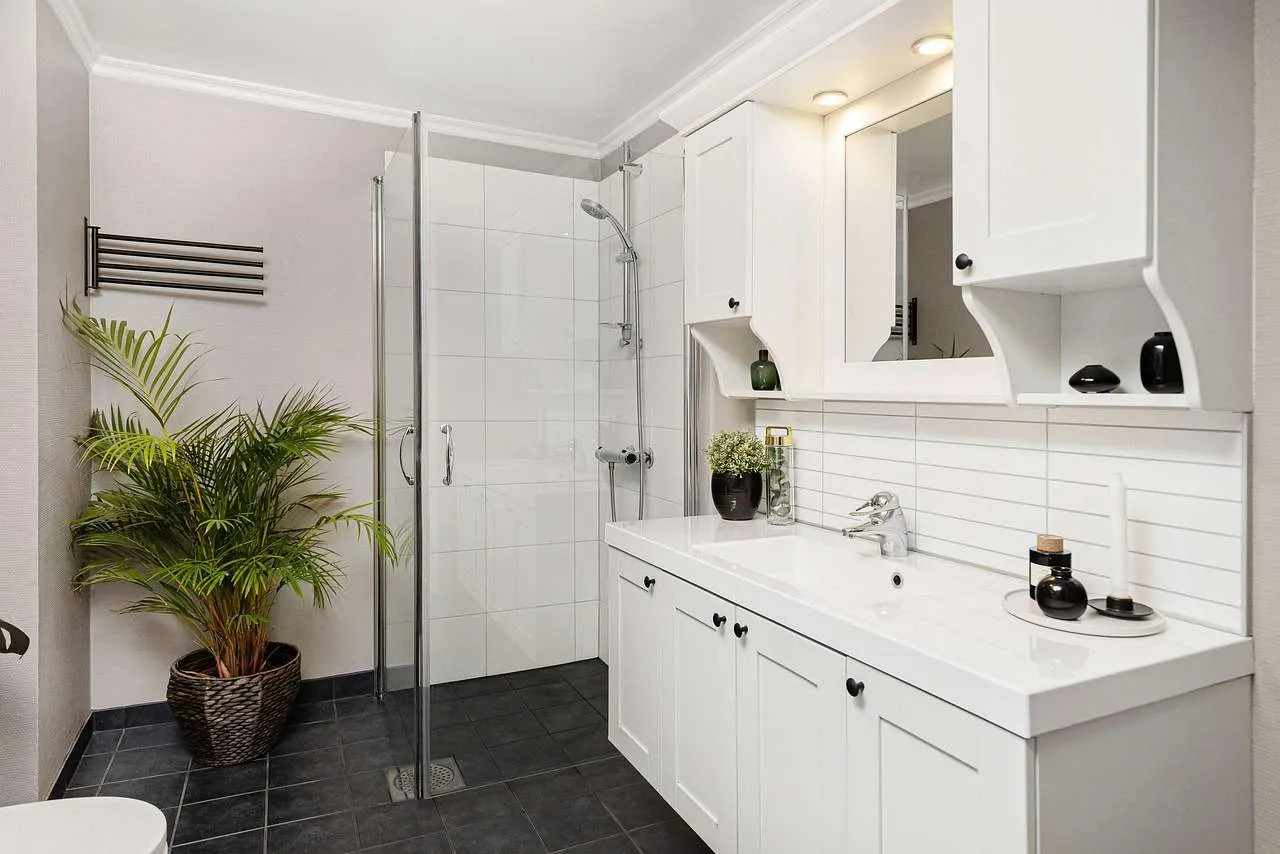
Begin with a thoughtful plan that keeps traffic fluid and avoids bottlenecks. Wall-hung fixtures, such as a compact toilet and a tiny vanity, create a sense of openness by revealing more floor area. A clear or frameless shower enclosure makes the line of sight continuous, giving the room a bigger feel. If you can, install a pocket door or a barn-style door to remove swinging clearance from the equation. Use a tall mirror or vertical cabinets to draw the eye upward and give the room more perceived height.
Key principles
- North-south alignment: place the vanity and mirror along the same wall to extend the vertical axis.
- Clear shower enclosure: avoid heavy frames that visually box in the space.
- Hanging strategy: suspend fixtures to reveal floor and create airiness.
Storage Solutions That Save Space
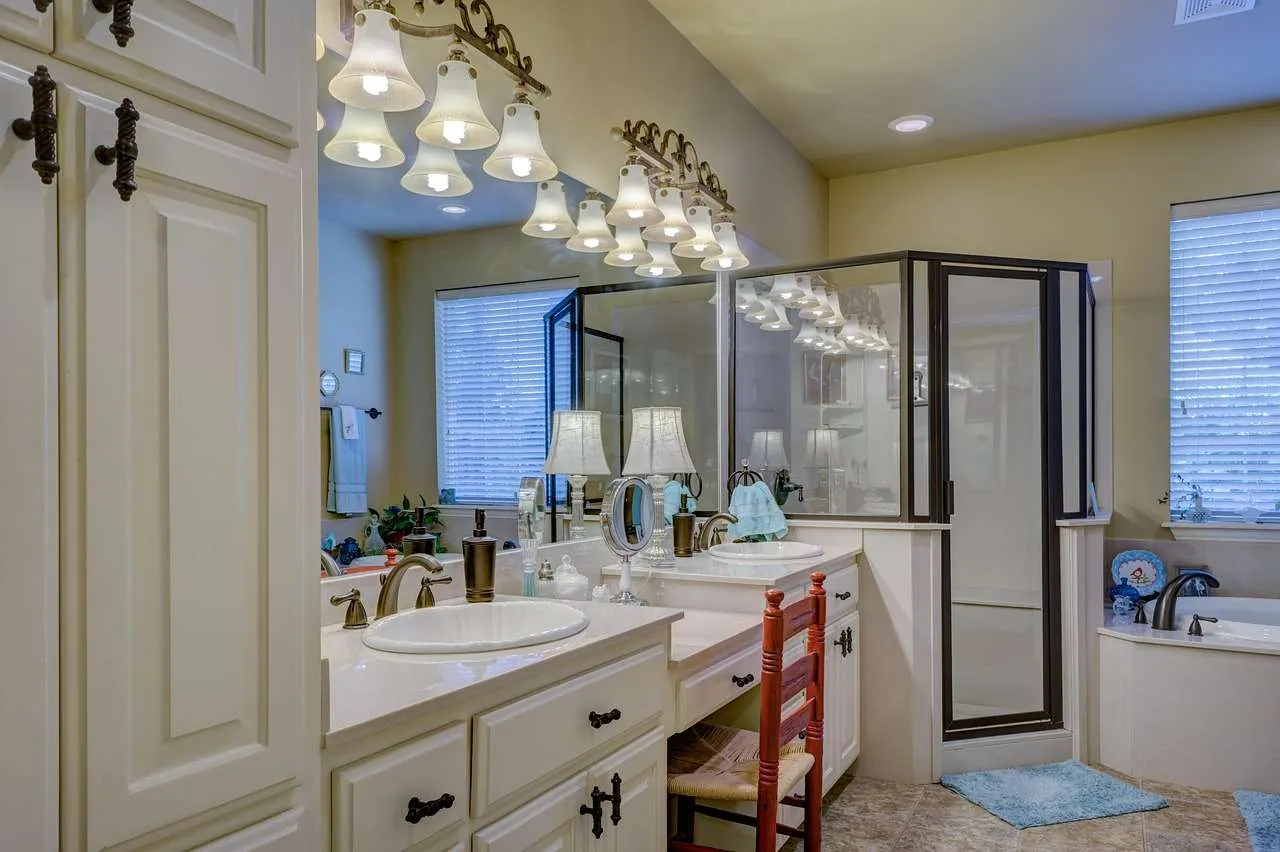
Storage must be smart, not bulky. Recessed niches inside the shower hold shampoo and soap without stealing footprint. A tall, slim cabinet or an over-the-toilet unit provides essential storage without crowding the room. A mirrored medicine cabinet reflects light and hides daily essentials. Inside doors, install small racks or hooks; inside drawers, use organizers to keep items in place. Consider a vanity with integrated plumbing to maximize under-sink storage.
Fixtures and Finishes for Small Spaces
Choose compact, water-efficient fixtures designed for tight spaces. A wall-mounted sink with a narrow profile and a small footprint improves floor area. A low-profile toilet and a concealed cistern reduce visual bulk. For showers, a clear glass door or curtainless enclosure preserves line of sight. Select light-reflective porcelain tiles and grout lines with epoxy grout to resist humidity and staining. A simple color palette with one accent color helps keep the room cohesive.
Color, Lighting, and Details
Light colors and glossy finishes bounce light around the room. Use a layered lighting plan: a dedicated vanity light, recessed ceiling fixtures, and a backlit mirror to eliminate shadows. Large-format tiles with minimal grout lines reduce visual clutter, while a frameless mirror creates a sense of depth. Small details — such as towel bars integrated into cabinetry and soft-close drawers — elevate the overall feel without adding bulk.
Budget and Durability Tips
Maximize impact without overspending by prioritizing what you cannot easily change later: plumbing layout, ventilation, and lighting. Choose durable, water-resistant materials like porcelain, ceramic, ceramic composites, and epoxy grouts. Ready-made vanities with integrated plumbing cut costs on installation, while vinyl or porcelain tile offers long wear in humid environments. Focus on finishes that last and require minimal maintenance to keep costs down over time.
Quick-Start Ideas
| Idea | Pros | Cons | Best For |
|---|---|---|---|
| Floating vanity | Airier feel; opens under-sink storage | Needs precise mounting | Wall space above baseboard |
| Corner shower with clear glass | Maximizes floor area | Sealing and cleaning required | 90-degree corners |
| Frameless glass shower door | Expands visual space | More demanding cleaning | Modern look |
| Pocket door | Open flow; no swing clearance | Install cost | Long, narrow layouts |
Conclusion, by focusing on layout, storage, and lighting you can transform a small bathroom into a functional, stylish space without major renovations. The ideas above help you maximize every square inch while keeping maintenance simple and cost predictable.